Northern Circuit
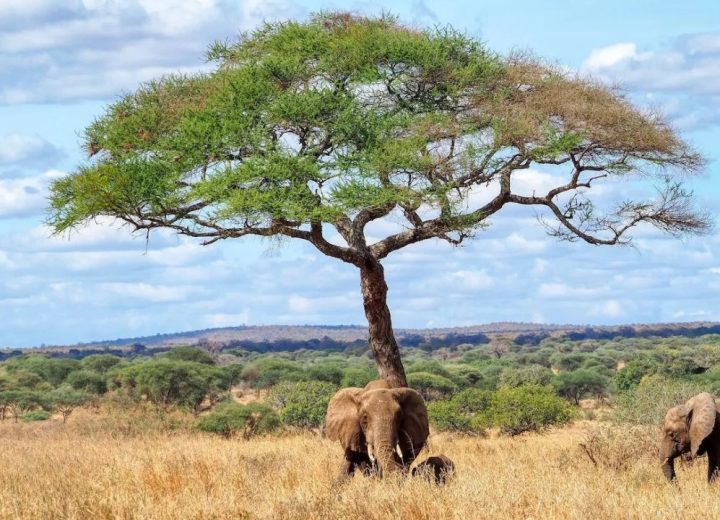
Tarangire National Park, located in northern Tanzania, is one of the country’s most captivating wildlife destinations. Covering approximately 2,850 square kilometers, it is renowned for its rolling savannahs, acacia woodlands, and ancient baobab trees that dominate the landscape. The park is named after the Tarangire River, a vital water source that attracts large herds of animals, especially during the dry season.
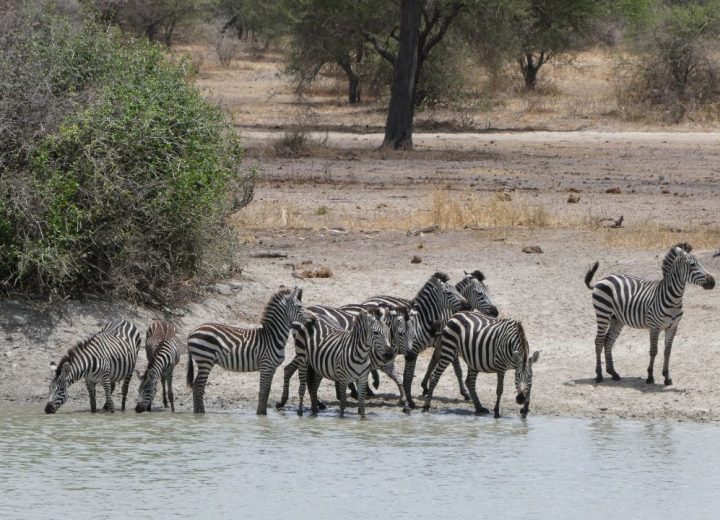
Tarangire is home to Tanzania’s largest concentration of elephants and a remarkable diversity of wildlife, including lions, leopards, cheetahs, zebras, wildebeest, and over 500 bird species. With its scenic beauty, abundant wildlife, and fewer crowds compared to other northern parks, Tarangire offers an intimate and authentic safari experience. RRM Mountain & Safari Expedition provides guided game drives and nature walks that immerse visitors in the park’s raw beauty and rich biodiversity.
1. What is Tarangire National Park known for?
Tarangire National Park is famous for its large elephant herds, ancient baobab trees, and vibrant wildlife concentration around the Tarangire River. During the dry season, thousands of animals migrate to the park seeking water, creating dramatic game-viewing opportunities. It’s also a premier birdwatching destination, with over 500 bird species recorded, including hornbills, lilac-breasted rollers, and yellow-collared lovebirds.
2. Where is Tarangire National Park located?
Tarangire lies about 120 kilometers southwest of Arusha, along Tanzania’s popular Northern Safari Circuit. It’s typically the first or last stop on a safari itinerary that includes Lake Manyara, Ngorongoro Crater, and Serengeti National Park. The park is easily accessible by road from Arusha or by small charter flights landing at nearby airstrips.
3. What wildlife can I see in Tarangire?
Tarangire is home to a wide variety of wildlife, including elephants, lions, leopards, cheetahs, giraffes, zebras, wildebeest, buffaloes, and impalas. The park is also known for tree-climbing pythons and abundant birdlife, especially during the green season. The diversity of animals, coupled with fewer crowds, makes Tarangire one of Tanzania’s most rewarding safari destinations.
4. When is the best time to visit Tarangire National Park?
The dry season (June to October) is the best time for wildlife viewing, as animals congregate along the Tarangire River. The wet season (November to May) is equally appealing for photographers and birdwatchers, with lush vegetation, dramatic skies, and numerous migratory species. Each season offers distinct experiences—dry months are best for big game, while the green months showcase the park’s beauty and tranquility.
5. How many days should I spend in Tarangire?
A 1 to 2-day safari is ideal for exploring Tarangire. One day allows for a full game drive covering major wildlife zones, while two days offer a deeper experience with morning and evening drives when animals are most active. For travelers combining Tarangire with other parks, it’s an excellent starting point before heading to Ngorongoro or Serengeti.
6. Do I need a guide to visit Tarangire?
Yes. Guided safaris are essential for safety, navigation, and maximizing wildlife sightings. RRM Mountain & Safari Expedition provides professional safari guides with expert knowledge of the park’s terrain, animal behavior, and photography opportunities. Guides ensure a comfortable and educational experience throughout your safari.
7. What types of safaris are available in Tarangire?
Visitors can enjoy day safaris, multi-day itineraries, or private tours within the park. Popular options include full-day game drives, sundowner experiences, and walking safaris (available in designated areas). Tarangire is often included in longer itineraries that cover multiple northern circuit parks for a complete Tanzanian safari experience.
8. What kind of accommodation is available near Tarangire?
Tarangire offers a range of accommodations, from luxury lodges with panoramic views to mid-range tented camps and budget-friendly campsites. Lodges on the park’s boundary provide quick access to game-viewing areas, while tented camps within the park offer close encounters with nature. All accommodations arranged by RRM Mountain & Safari Expedition include quality service, meals, and guided activities.
9. Is Tarangire safe to visit?
Yes, Tarangire is very safe when basic safari guidelines are followed. Always stay in your vehicle during game drives and heed your guide’s instructions. Night drives are conducted only in authorized areas under professional supervision. Lodges and camps have security personnel to ensure guest safety at all times.
10. What should I pack for a safari in Tarangire?
Pack light, breathable clothing in neutral colors (khaki, brown, green), comfortable walking shoes, a hat, sunscreen, sunglasses, insect repellent, binoculars, and a camera with extra batteries. Evenings can get cool, so bring a light jacket. During the rainy season, a waterproof jacket and quick-dry clothing are useful.
11. Can I combine Tarangire with other parks?
Absolutely. Tarangire is part of the Northern Tanzania Safari Circuit, making it easy to combine with Lake Manyara, Ngorongoro Crater, and Serengeti National Park. RRM Mountain & Safari Expedition offers customized itineraries that include all major parks, ensuring a seamless and unforgettable safari adventure.
12. Are cultural tours available near Tarangire?
Yes. Travelers can visit nearby Maasai and Barabaig villages to learn about traditional lifestyles, crafts, and pastoral culture. These tours provide a deeper understanding of local heritage and how communities coexist with wildlife in the Tarangire ecosystem.
Tarangire is a year-round destination, but the dry season (June to October) offers the best wildlife viewing opportunities. During this period, animals gather along the Tarangire River, creating spectacular game-viewing scenes. The wet season (November to May) transforms the park into a lush green haven with abundant birdlife, ideal for photographers and birdwatchers.
While wildlife can be seen year-round, some areas become difficult to access during heavy rains, so the dry season is preferred for classic game drives. However, the green season offers fewer crowds and incredible scenery for those seeking solitude.
Tarangire offers a wide selection of accommodations to suit all budgets. Luxury lodges and tented camps provide stunning views of the park’s plains and river valleys, while mid-range and budget-friendly campsites offer comfortable stays close to nature. Many lodges feature open-air lounges and infinity pools overlooking the wildlife-rich landscape.
RRM Mountain & Safari Expedition offers fully guided day safaris, multi-day itineraries, and combined circuit tours that include Tarangire, Ngorongoro Crater, and the Serengeti. Game drives are conducted in well-equipped 4×4 vehicles with pop-up roofs for panoramic viewing, led by experienced guides who ensure safety and unforgettable encounters.
Travelers visiting Tarangire should take standard health precautions, including vaccinations for yellow fever, hepatitis A, and typhoid. Malaria prevention is strongly recommended, as the park’s environment supports mosquito activity. Carry insect repellent, sunscreen, a hat, and sufficient water, especially during dry months.
Safety is excellent within the park when visitors follow their guide’s instructions. Always remain in your vehicle during game drives and keep a respectful distance from wildlife. Tarangire’s terrain can be hot during midday, so lightweight, breathable clothing in neutral colors is ideal.
Entry to Tarangire National Park requires a valid park permit, included in RRM Mountain & Safari Expedition’s safari packages. Fees support conservation efforts and the Tanzania National Parks Authority (TANAPA). All logistics, including permit processing, transportation, and guide arrangements, are handled by RRM to ensure a smooth experience.
Tarangire is located about 120 kilometers southwest of Arusha, making it an easy 2–3-hour drive from the city. It is often visited as the first stop on Tanzania’s Northern Safari Circuit. Travelers can also combine Tarangire with Lake Manyara and Ngorongoro Crater for a diverse and unforgettable safari itinerary.
INQUIRE NOW WHATSAPP CHAT General Information Day to Day Itinerary View Similar Trips Overview The 2-Day Tarangire & Lake Manyara Safari by RRMAMUYA Mountain
INQUIRE NOW WHATSAPP CHAT General Information Day to Day Itinerary View Similar Trips Overview The 5-Day Tanzania Big Five Safari by RRMAMUYA Mountain and
INQUIRE NOW WHATSAPP CHAT General Information Day to Day Itinerary View Similar Trips Overview The 4-Day Tanzania Classic Wildlife Safari by RRMAMUYA Mountain and
INQUIRE NOW WHATSAPP CHAT General Information Day to Day Itinerary View Similar Trips Overview The 2-Day Tarangire & Ngorongoro Crater Safari by RRMAMUYA Mountain
INQUIRE NOW WHATSAPP CHAT General Information Day to Day Itinerary View Similar Trips Overview The 5-Day Northern Tanzania Luxury Safari by RRMAMUYA Mountain and
INQUIRE NOW WHATSAPP CHAT General Information Day to Day Itinerary View Similar Trips Overview The Northern Circuit 6-Day Tanzania Migration Safari by RRMAMUYA Mountain
INQUIRE NOW WHATSAPP CHAT General Information Day to Day Itinerary View Similar Trips Overview The Tarangire, Ngorongoro & Lake Manyara Safari by RRMAMUYA Mountain