Northern Circuit
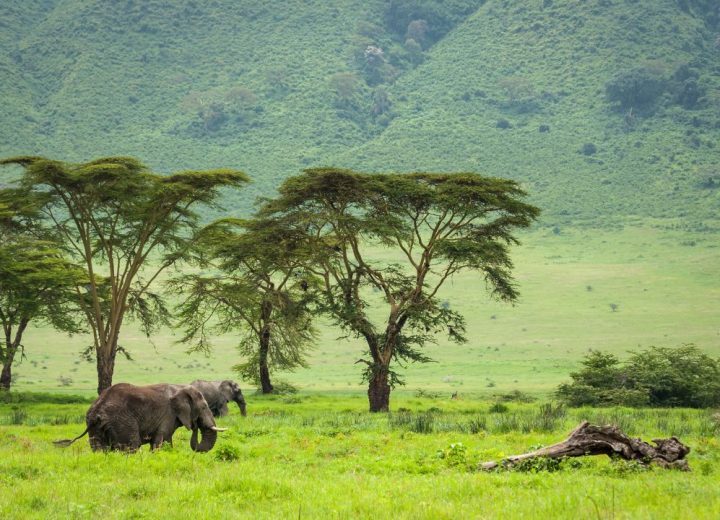
Ngorongoro Crater is one of the most spectacular natural wonders in Tanzania and the world’s largest intact volcanic caldera, covering approximately 260 square kilometers. Formed from a collapsed volcano millions of years ago, the crater is a UNESCO World Heritage Site and a prime destination for wildlife safaris. Its unique ecosystem supports a remarkable concentration of wildlife, including lions, elephants, rhinos, buffalo, and numerous bird species.
The crater floor is a fertile paradise, featuring grasslands, swamps, and a soda lake that attract animals year-round. With RRM Mountain & Safari Expedition, travelers can explore the crater on expertly guided game drives, witnessing predator-prey interactions and the diversity of the African savannah. Its breathtaking scenery, abundant wildlife, and accessibility make Ngorongoro a must-visit destination for safari enthusiasts and photographers alike.
1. What makes Ngorongoro Crater special?
Ngorongoro Crater is the world’s largest intact volcanic caldera and a UNESCO World Heritage Site. Its enclosed ecosystem sustains an incredible variety of wildlife within a relatively small area. Visitors can see the Big Five—lion, elephant, buffalo, rhino, and leopard—alongside countless other species. The crater’s combination of breathtaking scenery, rich biodiversity, and year-round accessibility makes it one of Tanzania’s most remarkable safari destinations.
2. Where is Ngorongoro Crater located?
Ngorongoro Crater lies in northern Tanzania, about 180 kilometers west of Arusha, on the way to the Serengeti. It forms part of the greater Ngorongoro Conservation Area, a vast region that blends wildlife protection with traditional Maasai pastoral life. The area is easily accessible by road from Arusha or by small aircraft via nearby airstrips.
3. What wildlife can I expect to see in Ngorongoro Crater?
The crater hosts an incredible diversity of wildlife, including lions, elephants, zebras, wildebeest, buffalo, and one of the few remaining populations of black rhinos in Tanzania. You may also see cheetahs, hyenas, hippos, flamingos, and more than 400 bird species. The concentration of animals is so dense that sightings are almost guaranteed throughout the year.
4. What is the best time to visit Ngorongoro Crater?
Ngorongoro Crater is a year-round destination, but the dry season (June–October) is the best for clear views and easy wildlife spotting. The wet season (November–May) transforms the crater into a lush green landscape with newborn animals and vibrant birdlife. Each season offers a unique perspective, making any visit rewarding.
5. How long should I stay in Ngorongoro Crater?
Most visitors spend one to two days exploring the crater, which is enough to experience its main highlights. A full-day game drive allows ample time to observe diverse wildlife and enjoy scenic viewpoints. For travelers combining Ngorongoro with the Serengeti or Lake Manyara, a two-day stay provides a well-rounded experience.
6. Do I need a permit to enter Ngorongoro Crater?
Yes. Entry permits are required and are included in safari packages organized by RRM Mountain & Safari Expedition. The fees contribute to conservation and community programs within the Ngorongoro Conservation Area. Your tour operator handles all permit arrangements, ensuring a seamless experience.
7. What kind of safaris are available in Ngorongoro Crater?
Visitors can enjoy full-day or half-day game drives with professional guides in 4×4 safari vehicles. These safaris are ideal for wildlife photography, birdwatching, and sightseeing. Cultural excursions to nearby Maasai villages can also be arranged, offering insight into traditional life around the crater rim.
8. What accommodation options are available near Ngorongoro Crater?
Ngorongoro offers a range of accommodations—from luxury lodges perched on the crater rim to comfortable mid-range lodges and tented camps nearby. Lodges on the rim provide panoramic views of the crater, while camps offer closer interaction with nature. All accommodations arranged by RRM Mountain & Safari Expedition ensure comfort, safety, and excellent service.
9. Is it safe to visit Ngorongoro Crater?
Yes, Ngorongoro Crater is very safe for visitors. Safari vehicles are led by professional guides trained in wildlife behavior and park safety regulations. Travelers are advised not to exit vehicles during game drives and to follow their guide’s instructions at all times. The conservation area is well-managed and regularly patrolled by rangers.
10. Can I combine Ngorongoro Crater with other destinations?
Absolutely. The Ngorongoro Crater is part of Tanzania’s Northern Safari Circuit and is often combined with the Serengeti, Lake Manyara, and Tarangire National Parks. Many travelers also add a Mount Kilimanjaro climb before or after their safari. RRM Mountain & Safari Expedition can tailor multi-destination itineraries for a seamless and unforgettable adventure.
11. What should I pack for a trip to Ngorongoro Crater?
Essential items include comfortable safari clothing in neutral tones, a warm jacket for cool mornings on the crater rim, sunscreen, sunglasses, binoculars, insect repellent, and a camera. Temperatures can vary from warm on the crater floor to chilly on the rim, so layered clothing is best.
12. Can I visit Maasai villages around Ngorongoro?
Yes, cultural visits to traditional Maasai villages are a highlight of the Ngorongoro experience. These visits offer insight into Maasai traditions, dances, and daily life. Travelers can learn about the Maasai’s coexistence with wildlife and their role in conserving the ecosystem.
Ngorongoro Crater is a year-round safari destination, offering incredible wildlife experiences in every season. The dry season (June to October) is ideal for game viewing as animals gather around permanent water sources, and vegetation is sparse, making wildlife easier to spot. The wet season (November to May) transforms the landscape into lush green plains filled with newborn animals and migratory birds, creating a vibrant and photogenic environment.
Because the crater’s ecosystem remains stable throughout the year, visitors can enjoy rewarding safaris no matter the month. However, mornings and evenings can be chilly, especially along the crater rim, so warm clothing is recommended.
Ngorongoro offers a wide range of accommodation options to suit every traveler’s preference and budget. Luxury lodges on the crater rim provide spectacular panoramic views and top-tier comfort, while mid-range lodges and tented camps within the conservation area offer authentic safari experiences closer to nature.
RRM Mountain & Safari Expedition provides fully guided game drives, photographic safaris, and cultural tours around the crater and nearby Maasai villages. Each itinerary is designed for comfort, safety, and an immersive experience that highlights Ngorongoro’s natural and cultural beauty.
To enjoy a safe and healthy safari, travelers are advised to visit a travel clinic before departure. Recommended vaccinations include yellow fever, hepatitis A, and typhoid, while malaria prophylaxis is strongly advised. The crater rim can get cold, particularly in the early morning and evening, so warm layers are essential.
Safety within the Ngorongoro Conservation Area is excellent when visitors follow the guidance of their professional safari guides. Always remain inside your vehicle during game drives, keep a respectful distance from animals, and avoid feeding wildlife. RRM Mountain & Safari Expedition ensures all safaris are led by trained, experienced guides who prioritize your safety and comfort.
Entrance to Ngorongoro Crater requires a valid permit, included in all safari packages arranged by RRM Mountain & Safari Expedition. The park fees cover conservation efforts, local community support, and wildlife protection. Permits are managed through the Ngorongoro Conservation Area Authority, and RRM handles all logistics to ensure a smooth process for travelers.
Access to Ngorongoro Crater is primarily via Arusha, approximately a 3–4 hour drive, or by small aircraft landing at nearby airstrips. Safari vehicles are equipped for comfort and safety, with pop-up roofs for optimal wildlife viewing. From transportation to accommodation and meals, all details are coordinated for a seamless, worry-free experience.
INQUIRE NOW WHATSAPP CHAT General Information Day to Day Itinerary View Similar Trips Overview The 2-Day Tarangire & Lake Manyara Safari by RRMAMUYA Mountain
INQUIRE NOW WHATSAPP CHAT General Information Day to Day Itinerary View Similar Trips Overview The 5-Day Tanzania Big Five Safari by RRMAMUYA Mountain and
INQUIRE NOW WHATSAPP CHAT General Information Day to Day Itinerary View Similar Trips Overview The 4-Day Tanzania Classic Wildlife Safari by RRMAMUYA Mountain and
INQUIRE NOW WHATSAPP CHAT General Information Day to Day Itinerary View Similar Trips Overview The 2-Day Tarangire & Ngorongoro Crater Safari by RRMAMUYA Mountain
INQUIRE NOW WHATSAPP CHAT General Information Day to Day Itinerary View Similar Trips Overview The 5-Day Northern Tanzania Luxury Safari by RRMAMUYA Mountain and
INQUIRE NOW WHATSAPP CHAT General Information Day to Day Itinerary View Similar Trips Overview The Northern Circuit 6-Day Tanzania Migration Safari by RRMAMUYA Mountain
INQUIRE NOW WHATSAPP CHAT General Information Day to Day Itinerary View Similar Trips Overview The Tarangire, Ngorongoro & Lake Manyara Safari by RRMAMUYA Mountain