Northern Circuit
Mount Kilimanjaro, rising majestically to 5,895 meters (19,341 feet), is Africa’s tallest free-standing mountain and one of the most iconic trekking destinations in the world. Composed of three volcanic cones—Kibo, Mawenzi, and Shira—it presents an extraordinary diversity of landscapes and ecosystems. Trekkers traverse lush tropical rainforests at the base, move through heathlands and moorlands, and climb alpine deserts before reaching the snow-capped summit. Each stage of the climb offers stunning scenery, rare wildlife sightings, and unique opportunities to connect with the natural beauty of Tanzania.
The mountain is not only a natural wonder but also a symbol of personal achievement and adventure. Reaching Uhuru Peak, the highest point in Africa, is a life-changing experience that combines physical challenge, mental resilience, and cultural insight. Guided by experienced RRM Mountain & Safari Expedition professionals, climbers are supported throughout their journey, ensuring safety, comfort, and a deep appreciation of the mountain’s majesty. Every step on Mount Kilimanjaro is an opportunity to witness breathtaking vistas and create memories that last a lifetime.
Answer the questions below to see your readiness for Uhuru Peak (5,895 m).
Marangu Route
The Marangu Route, often called the “Coca-Cola Route,” is the most traditional and comfortable path to climb Mount Kilimanjaro. Known for its well-established trail and hut accommodations, this route provides climbers with a unique balance of adventure and comfort. The gradual ascent makes it easier for acclimatization, increasing your chances of reaching Uhuru Peak. Along the way, trekkers pass through lush rainforests, scenic heathlands, and alpine deserts, experiencing the mountain’s diverse ecosystems. Its popularity means you will meet other climbers, creating a vibrant trekking atmosphere, while enjoying the professional support of guides, porters, and cooks who ensure a safe and memorable climb.
Machame Route
The Machame Route, often called the “Whiskey Route,” is one of the most scenic and popular paths to climb Mount Kilimanjaro. This route offers a diverse trekking experience, taking climbers through rainforest, moorland, and alpine desert before reaching the snow-capped summit. Unlike Marangu, Machame requires camping along the way, giving trekkers a sense of adventure and immersion in nature. Its gradual ascent profile improves acclimatization, increasing the likelihood of successfully reaching Uhuru Peak. Trekkers are guided by professional staff, including experienced guides, cooks, and porters, ensuring safety, comfort, and high-quality meals throughout the journey. Machame is ideal for climbers seeking breathtaking landscapes and a rewarding challenge.
Lemosho Route
The Lemosho Route is one of the most scenic and less crowded paths to climb Mount Kilimanjaro, offering an unforgettable trekking experience. Starting from the western side of the mountain, this route passes through pristine rainforest, moorlands, and high-altitude landscapes, providing excellent acclimatization opportunities. Trekkers enjoy breathtaking panoramic views, including the Shira Plateau and the looming Kibo summit. Lemosho is ideal for climbers seeking a longer, immersive journey with higher summit success rates. Professional guides, porters, and cooks support trekkers along the way, ensuring safety, comfort, and well-prepared meals, making the ascent to Uhuru Peak both challenging and rewarding.
Rongai Route
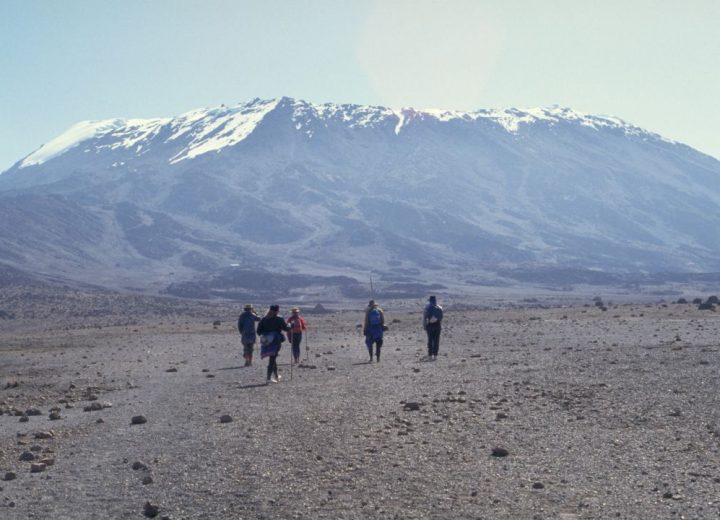
The Rongai Route approaches Mount Kilimanjaro from the northern side, near the Kenyan border, offering a quieter and less crowded trekking experience. Known for its gentle slopes and gradual ascent, this route is ideal for climbers who prefer solitude and a slower-paced journey. Trekkers traverse diverse landscapes, including moorlands and alpine desert, before reaching the icy summit. Rongai provides excellent acclimatization and high summit success rates, guided by professional staff who ensure safety, comfort, and nutritious meals along the way. Its northern perspective offers unique panoramic views, making the climb to Uhuru Peak both peaceful and rewarding.
Umbwe Route
The Umbwe Route is the most challenging and steepest path to climb Mount Kilimanjaro, recommended for experienced and fit trekkers seeking an intense adventure. This route starts on the southern side of the mountain and quickly ascends through dense rainforest before reaching the high alpine zone. Its steep terrain and shorter itinerary demand strong physical endurance and mental determination. Despite the difficulty, climbers are rewarded with dramatic landscapes, spectacular views of Kibo, and a sense of accomplishment upon reaching Uhuru Peak. Expert guides, porters, and cooks provide critical support, making this strenuous climb safe, structured, and highly rewarding.
Northern Circuit Route
The Northern Circuit Route is the longest and least crowded path to climb Mount Kilimanjaro, offering climbers exceptional scenery and high summit success rates. Starting on the northwestern side, it circumnavigates the mountain, passing through lush rainforests, moorlands, and alpine deserts before reaching Uhuru Peak. Its extended duration allows for excellent acclimatization, reducing the risk of altitude sickness. Trekkers experience breathtaking panoramic views, including the Shira Plateau and Kibo summit from multiple angles. Guided by professional staff, including porters and cooks, this route combines solitude, adventure, and safety, making it ideal for those seeking a rewarding and immersive Kilimanjaro journey.
The ideal time to climb Mount Kilimanjaro is during the dry seasons, when weather conditions are most favorable for trekking. The January to March period offers warm temperatures, clear skies, and excellent summit visibility, while June to October is cooler and also very dry, providing stable conditions for climbers. Rainy months, particularly April–May and November, bring slippery trails, dense clouds, and increased difficulty.
Weather can change rapidly on Mount Kilimanjaro, especially at higher altitudes. Climbers should be prepared for cold nights, strong winds, and sudden rainfall near the summit. Choosing the best season increases your chances of safely reaching Uhuru Peak while enjoying clear panoramic views and the stunning landscapes along the trails.
Successfully reaching Uhuru Peak on Mount Kilimanjaro requires both physical fitness and proper acclimatization. While technical climbing skills are not necessary, trekkers should have good cardiovascular endurance, leg strength, and stamina to handle long days of trekking at varying altitudes. Regular aerobic exercises like hiking, running, cycling, or swimming for at least 8–12 weeks before the climb can significantly improve your chances of success.
Acclimatization is critical to avoid altitude sickness, which can affect anyone regardless of fitness level. Choosing routes with gradual ascent profiles, such as Lemosho, Machame, or Northern Circuit, allows your body to adjust to higher elevations. A “climb high, sleep low” strategy is recommended, along with adequate hydration, balanced nutrition, and rest. Proper preparation ensures a safer, more comfortable, and more rewarding journey to the summit of Mount Kilimanjaro.
Packing the right gear is essential for a safe and successful climb of Mount Kilimanjaro. Layered clothing is key, as temperatures vary from warm at the base to freezing near the summit. Essential items include thermal base layers, fleece jackets, a waterproof and windproof jacket, trekking pants, gloves, hat, and buff or scarf. Durable trekking boots with good grip and moisture-wicking socks are necessary to prevent blisters.
Other important gear includes a comfortable daypack, trekking poles, headlamp, water bottles or hydration system, and sunscreen. Optional but recommended items are sunglasses, camera, binoculars, and personal snacks. RRM Mountain & Safari Expedition provides tents, sleeping mats, and high-quality meals on camping routes, while hut accommodations are available on the Marangu Route. Proper preparation ensures comfort, safety, and an enjoyable journey to Uhuru Peak.
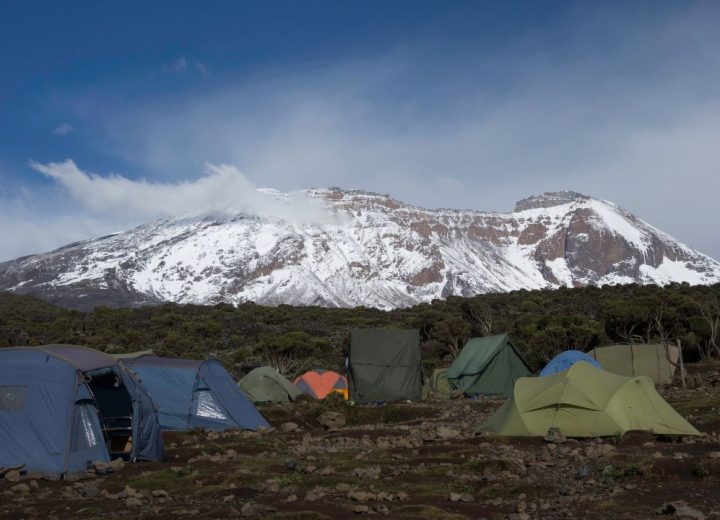
Climbers of Mount Kilimanjaro can choose between camping routes and hut-based routes, depending on their chosen trail. Most routes, such as Machame, Lemosho, Rongai, Umbwe, and Northern Circuit, use high-quality tents provided by RRM Mountain & Safari Expedition. These tents include sleeping mats and ample space for personal belongings, ensuring comfort after long trekking days. The Marangu Route is unique, offering shared hut accommodations with basic facilities, ideal for trekkers seeking a more traditional experience.
Support from professional guides, porters, and cooks is provided on all routes. Guides ensure safety, navigate the trails, and monitor acclimatization, while porters carry camping gear and supplies, allowing trekkers to focus on the climb. Cooks prepare nutritious and energizing meals tailored to high-altitude trekking, keeping climbers fueled throughout the journey. This comprehensive support system ensures a safe, enjoyable, and memorable climb to Uhuru Peak.
Climbing Mount Kilimanjaro is a physically demanding adventure, and prioritizing health and safety is essential for reaching Uhuru Peak. Altitude sickness is the primary risk, which can affect anyone regardless of fitness level. Symptoms include headache, nausea, dizziness, and fatigue. To minimize risk, choose routes with gradual ascents, follow the “climb high, sleep low” principle, stay well-hydrated, and eat balanced meals provided by your trekking support team.
Other safety considerations include proper clothing to protect against cold, wind, and sun, as well as reliable trekking boots to prevent slips and injuries. Always follow the instructions of your professional guides, who are trained to handle emergencies and monitor your condition. A pre-climb medical check-up is recommended, especially for individuals with pre-existing health conditions. By adhering to safety guidelines and listening to your body, climbers can enjoy a secure and successful journey to Mount Kilimanjaro’s summit.
Climbing Mount Kilimanjaro requires obtaining the necessary park permits, which are included in the fees managed by RRM Mountain & Safari Expedition. Permit costs vary depending on the route and the duration of the trek. All routes require mandatory park entry fees, camping or hut fees, and rescue or conservation levies, which contribute to maintaining the mountain and supporting local communities.
Logistics for the climb include transportation to the starting point from Moshi, Arusha, or Kilimanjaro International Airport. RRM Mountain & Safari Expedition coordinates all arrangements, including guide assignments, porter support, meal planning, and campsite or hut reservations. Proper planning ensures a smooth, safe, and enjoyable climb, allowing trekkers to focus on the adventure and fully experience the journey to Uhuru Peak.
INQUIRE NOW WHATSAPP CHAT General Information Day to Day Itinerary View Similar Trips Overview The Rongai Route is the only Kilimanjaro trail that approaches
INQUIRE NOW WHATSAPP CHAT General Information Day to Day Itinerary View Similar Trips Overview The Umbwe Route is the most direct and challenging path
INQUIRE NOW WHATSAPP CHAT General Information Day to Day Itinerary View Similar Trips Overview The Northern Circuit Route is Mount Kilimanjaro’s longest and most
INQUIRE NOW WHATSAPP CHAT General Information Day to Day Itinerary View Similar Trips Overview The Northern Circuit Route is Mount Kilimanjaro’s longest and most
INQUIRE NOW WHATSAPP CHAT General Information Day to Day Itinerary View Similar Trips Overview The Umbwe Route is the shortest and steepest trail to
INQUIRE NOW WHATSAPP CHAT General Information Day to Day Itinerary View Similar Trips Overview The Rongai Route is Kilimanjaro’s only trail approaching the mountain
INQUIRE NOW WHATSAPP CHAT General Information Day to Day Itinerary View Similar Trips Overview The Lemosho Route is widely regarded as one of the
INQUIRE NOW WHATSAPP CHAT General Information Day to Day Itinerary View Similar Trips Overview The Lemosho Route is one of Kilimanjaro’s most scenic trails,
INQUIRE NOW WHATSAPP CHAT General Information Day to Day Itinerary View Similar Trips Overview The Machame Route, also known as the “Whiskey Route,” is
INQUIRE NOW WHATSAPP CHAT General Information Day to Day Itinerary View Similar Trips Overview The Marangu Route, also known as the “Coca-Cola Route,” is
INQUIRE NOW WHATSAPP CHAT General Information Day to Day Itinerary View Similar Trips Overview The Machame Route, also called the “Whiskey Route,” is one
INQUIRE NOW WHATSAPP CHAT General Information Day to Day Itinerary View Similar Trips Overview The Marangu Route, famously known as the “Coca-Cola Route,” is